YOU DON’T WANT SEX LIKE YOU USED TO.
AND YOU’RE STARTING TO WONDER WHAT THAT MEANS.

SOMEWHERE ALONG THE WAY...
SEX CHANGED.
You remember wanting it.
The chemistry. The anticipation.
The feeling of being turned on before anyone even touched you.
Then life happened.
Years together.
Work. Kids. Stress.
Familiarity.
Changing bodies.
Changing hormones.
The same person.
The same bedroom.
Sometimes the same sex.
And now maybe you don't want it
very often.
Maybe you don't know what turns you on anymore.
Maybe you're wondering whether you'd want it more with someone else.
Maybe you can orgasm, but only in one very specific way.
Maybe you're having sex, but you're not particularly excited by the sex you're having.
Or maybe you've started wondering...
Is this just what happens now?
~
Because nobody really taught us how desire works.
We were taught about periods, pregnancy and contraception.
Maybe STIs.
But who taught us about pleasure?
About our anatomy?
About orgasm?
About what happens to desire in a long-term relationship?
About figuring out what we actually like ... and having the confidence to ask for it?
About keeping sex interesting after 10, 20 or 30 years with the same person?
There is so much more to
learn about sex.
And about yourself.

This is for you if:
You don't want sex like you used to — and you're not really sure why
You don't know what turns you on anymore... or you're not sure you ever really did
Sex has become predictable, infrequent or something you could happily take or leave
You can orgasm, but you rely on the same thing every time — and you're curious whether there's more
You struggle to switch off, let go and actually enjoy what's happening in your body
You find it hard to tell your partner what you want — especially when you don't quite know yourself
You want to feel more confident in your body and less worried about how you look during sex
You want more fun, play and experimentation — but have no idea how to change the sex you've been having for years
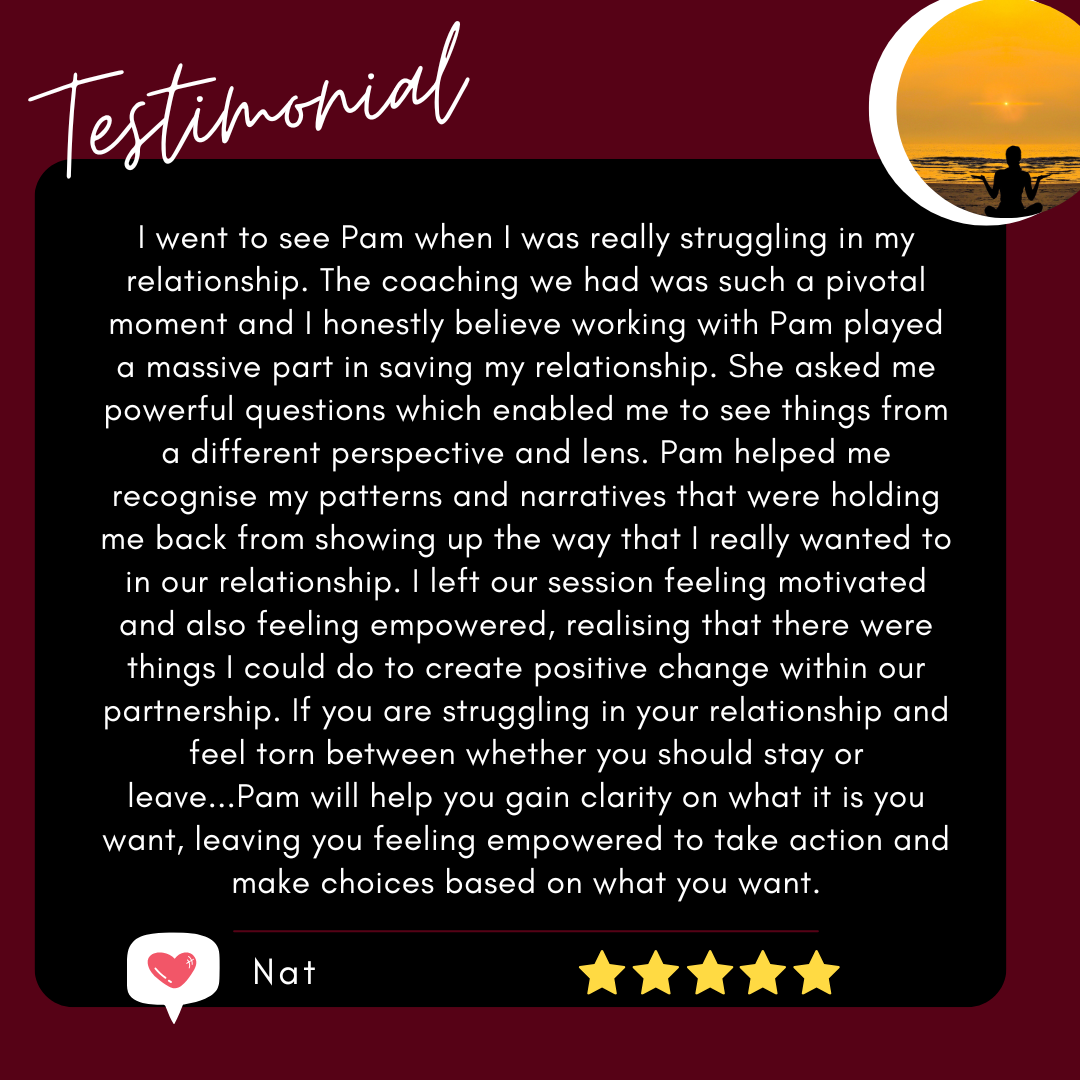
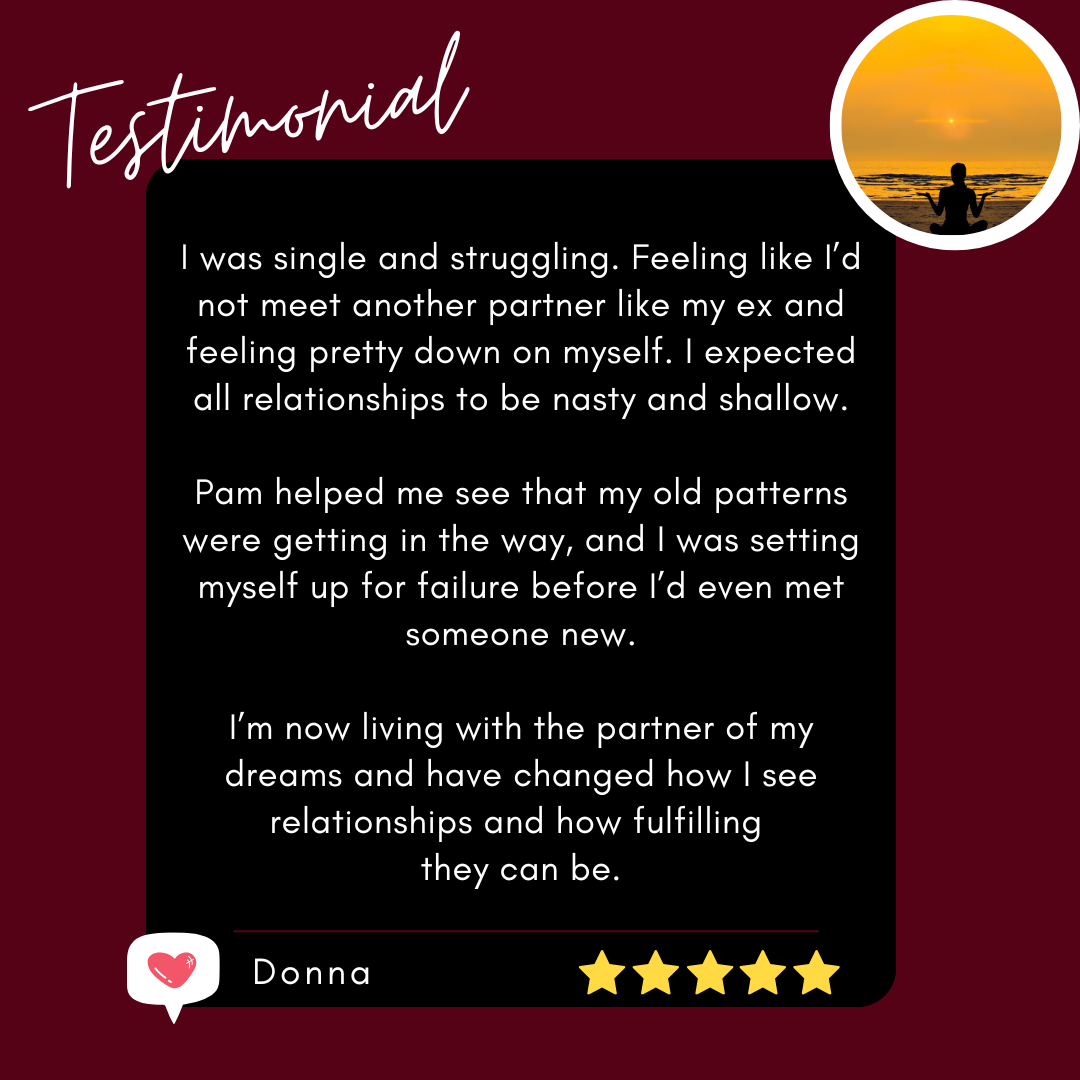
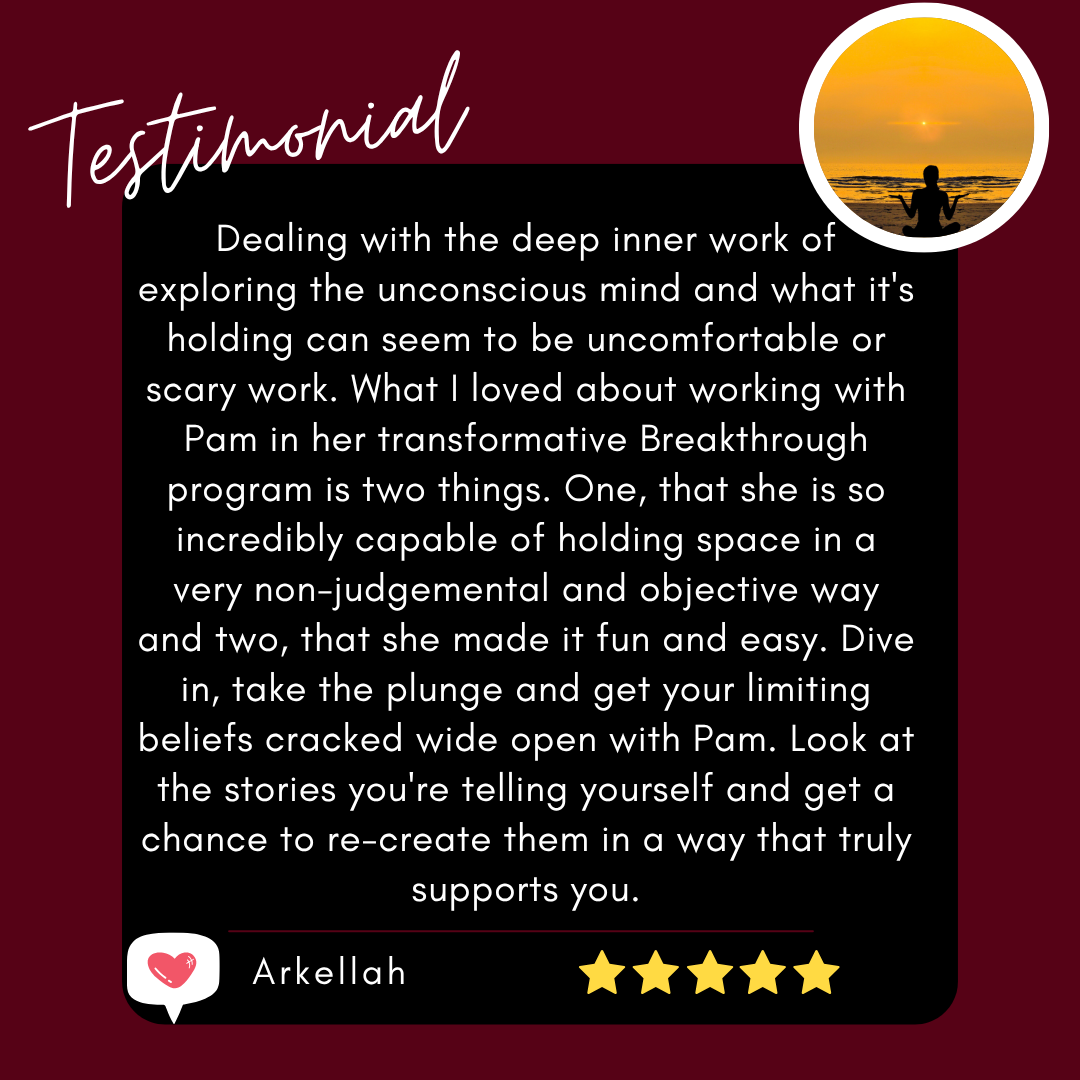
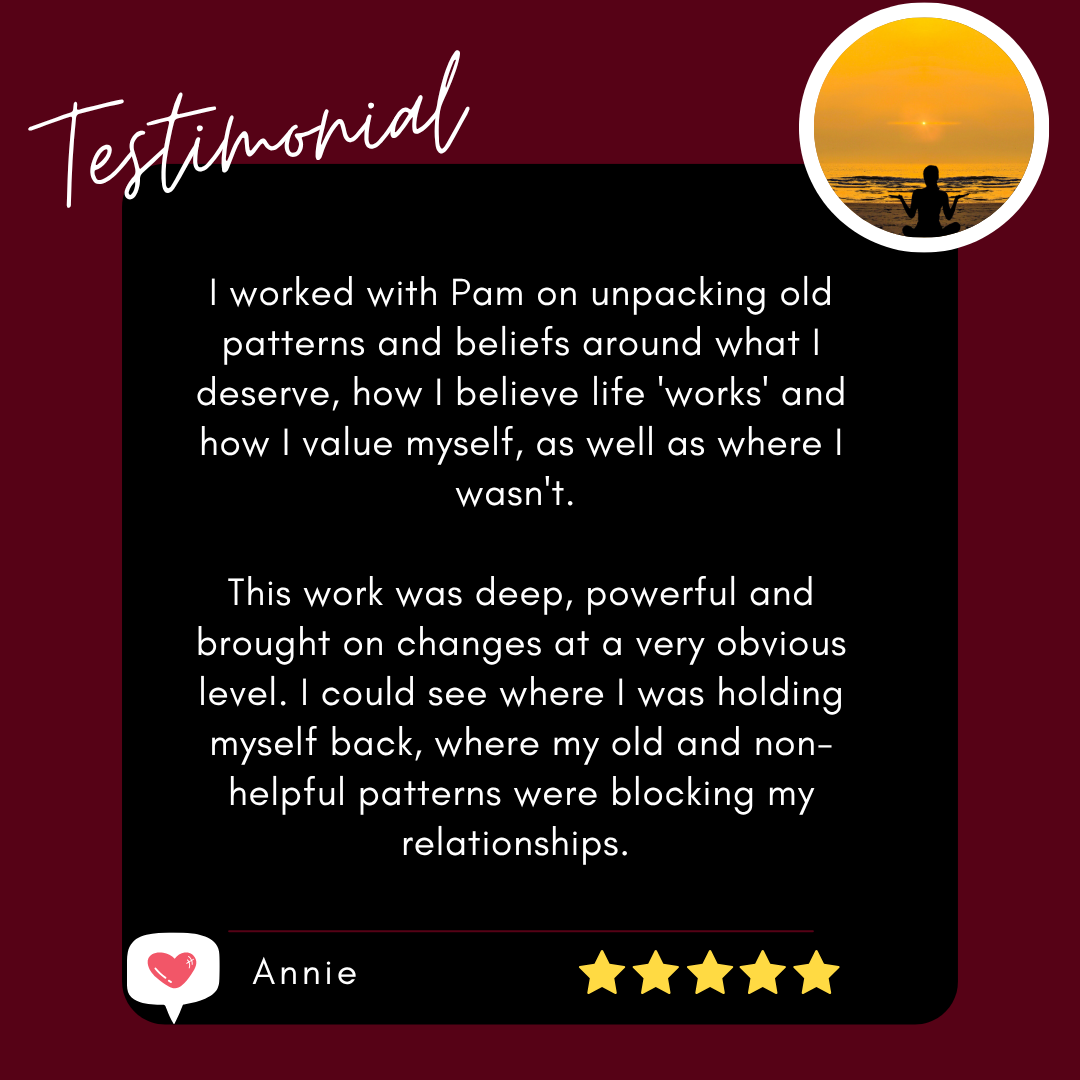
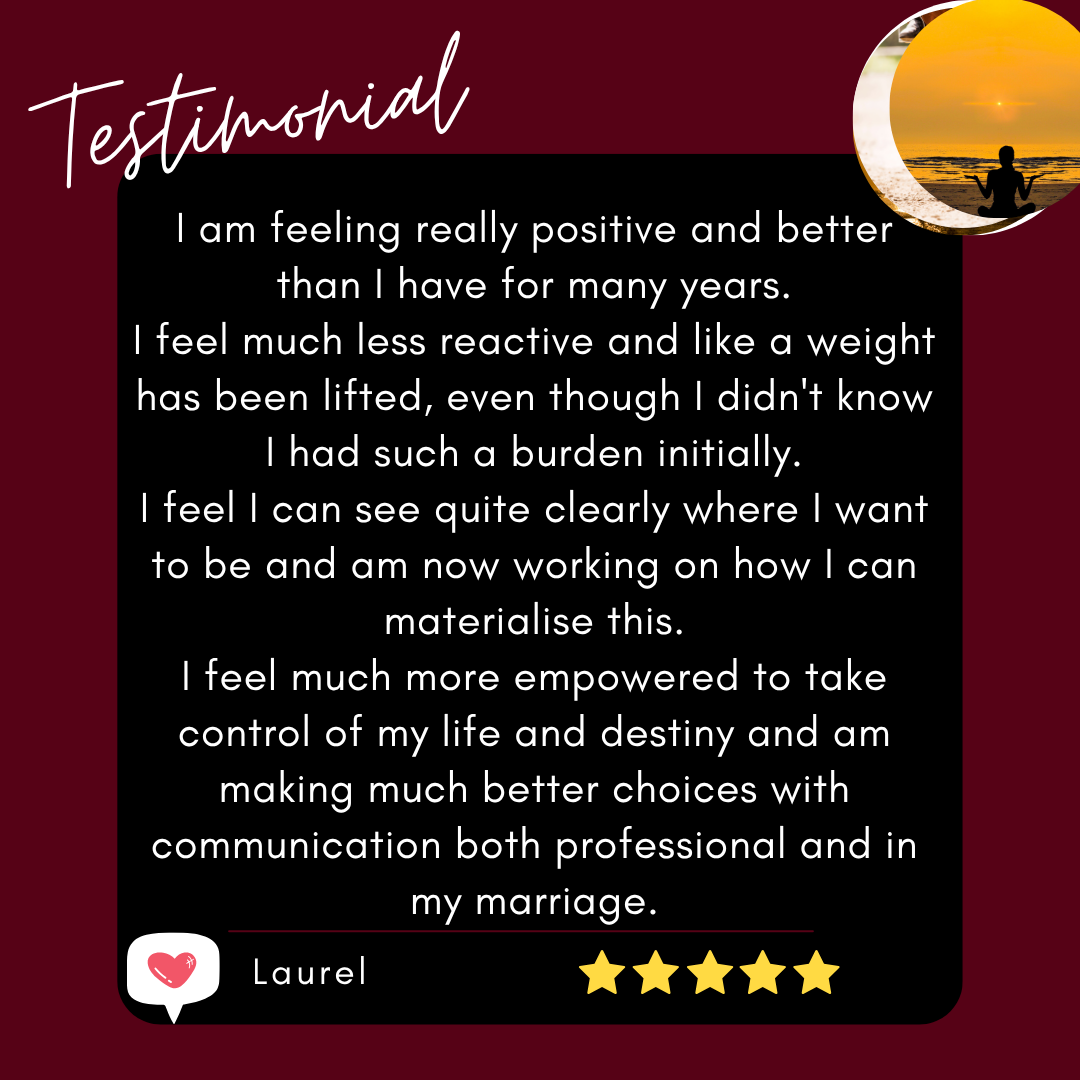
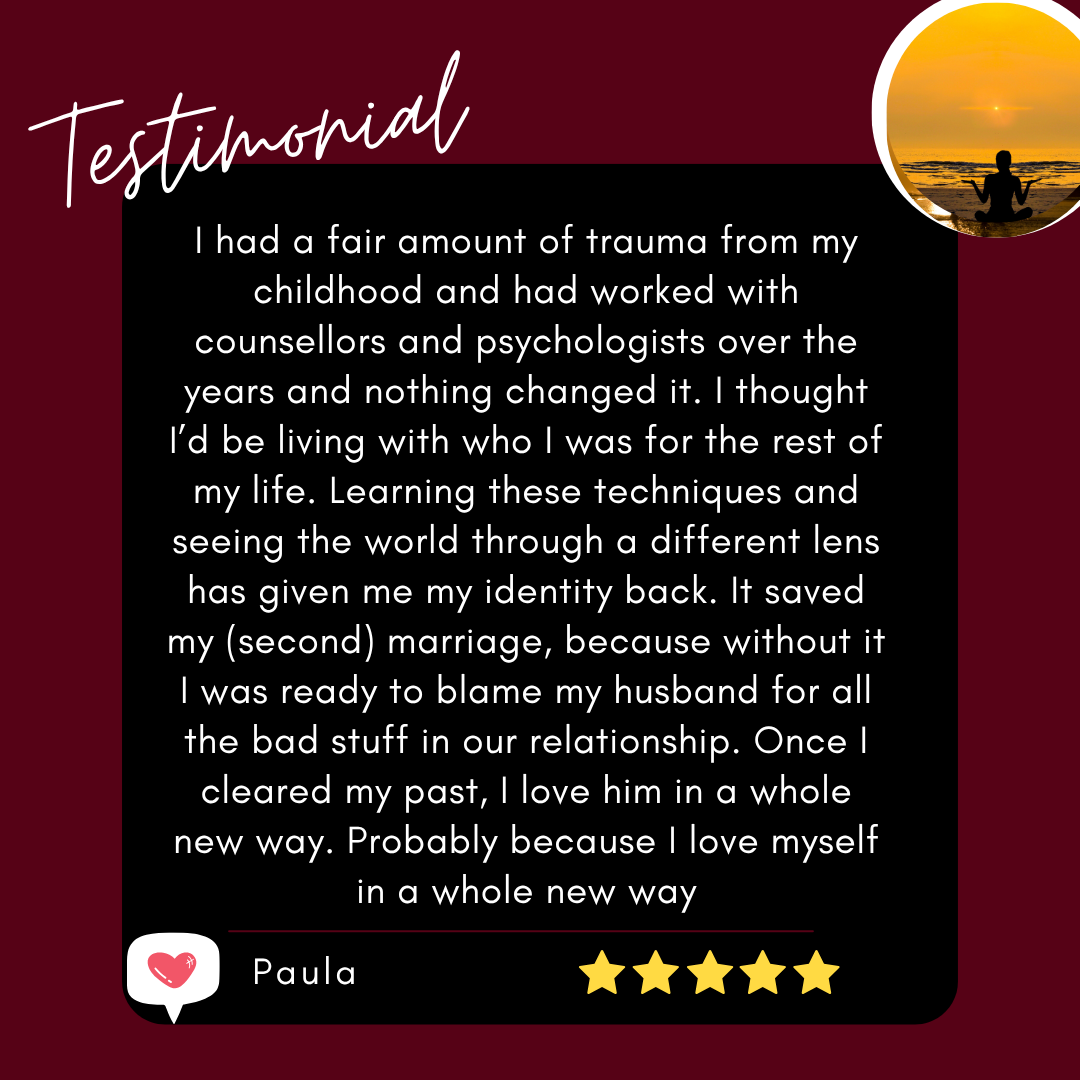
What Other's Say....
Read My Blog

Navigating Affairs
Navigating the Impact of Infidelity and Finding a Path Forward
Infidelity can feel like a devastating betrayal, shaking the very foundation of trust that a relationship is built on. The discovery of an affair often brings a whirlwind of emotions—anger, hurt, confusion—and the question of whether the relationship can survive. While some couples may feel that divorce or separation is the only way forward, others might find that with the right support, it’s possible to rebuild trust and find a new, stronger connection.
The Impact of Infidelity
1. Broken Trust
Trust is the cornerstone of any relationship, and infidelity can shatter it in an instant. The lies and deceit that accompany an affair often leave the betrayed partner questioning everything—how much of the relationship was real, and whether trust can ever be restored.
2. Emotional Turmoil
The emotional aftermath of cheating can be overwhelming. Both partners may experience intense feelings of guilt, shame, anger, and sadness. The betrayed partner may struggle with self-esteem, wondering why this happened and what it says about their worth. The partner who cheated might grapple with remorse and the fear of losing their relationship.
3. Ripple Effects on the Relationship
Infidelity doesn’t just affect the two people involved; it can also have ripple effects on the entire relationship dynamic. Communication may break down, intimacy may diminish, and the relationship might feel more like a battleground than a partnership.
Why Divorce or Separation Isn't Always the Solution
While infidelity can be incredibly painful, it doesn’t necessarily mean the end of a relationship. For some couples, this crisis can be a turning point—a catalyst for addressing deeper issues and transforming the relationship.
1. Understanding the Root Causes
Affairs often stem from underlying problems in the relationship—issues that may have been brewing for years. These could include feelings of neglect, unmet needs, or a lack of emotional connection. Through a process of introspection and guided support, couples can begin to understand what led to the infidelity and work on addressing these root causes.
2. Rebuilding Trust Through Counselling
Rebuilding trust after an affair is challenging, but it’s not impossible. Traditional talk therapy might focus on surface-level issues, but a more holistic approach looks deeper. This process involves identifying the patterns of behavior that contributed to the affair, understanding both partners' needs, and fostering open, honest communication. It’s about more than just "forgive and forget"; it’s about creating a new foundation for the relationship, one that’s built on transparency, empathy, and mutual respect.
3. Staying in the Relationship: A Path to Healing
Deciding to stay in a relationship after infidelity is a deeply personal choice, and it’s not one to be made lightly. However, with the right support, some couples find that they can not only survive the affair but also thrive in its aftermath. By addressing the root causes and committing to the process of healing, it’s possible to rebuild a relationship that’s even stronger than before.
Conclusion
Infidelity is undoubtedly one of the most challenging obstacles a relationship can face. The lies, cheating, and broken trust can leave deep scars. But divorce or separation isn’t the only option. With a different approach to counselling—one that digs deep to uncover and address the underlying issues—couples can find a path to healing. It’s not about simply forgiving and forgetting; it’s about understanding, rebuilding, and creating a relationship where both partners can truly connect on a deeper level.
If you’re navigating the aftermath of an affair, know that support is available, and healing is possible.


Copyright © Pam Reid Coaching 2026 All rights reserved.