YOU DON’T WANT SEX LIKE YOU USED TO.
AND YOU’RE STARTING TO WONDER WHAT THAT MEANS.
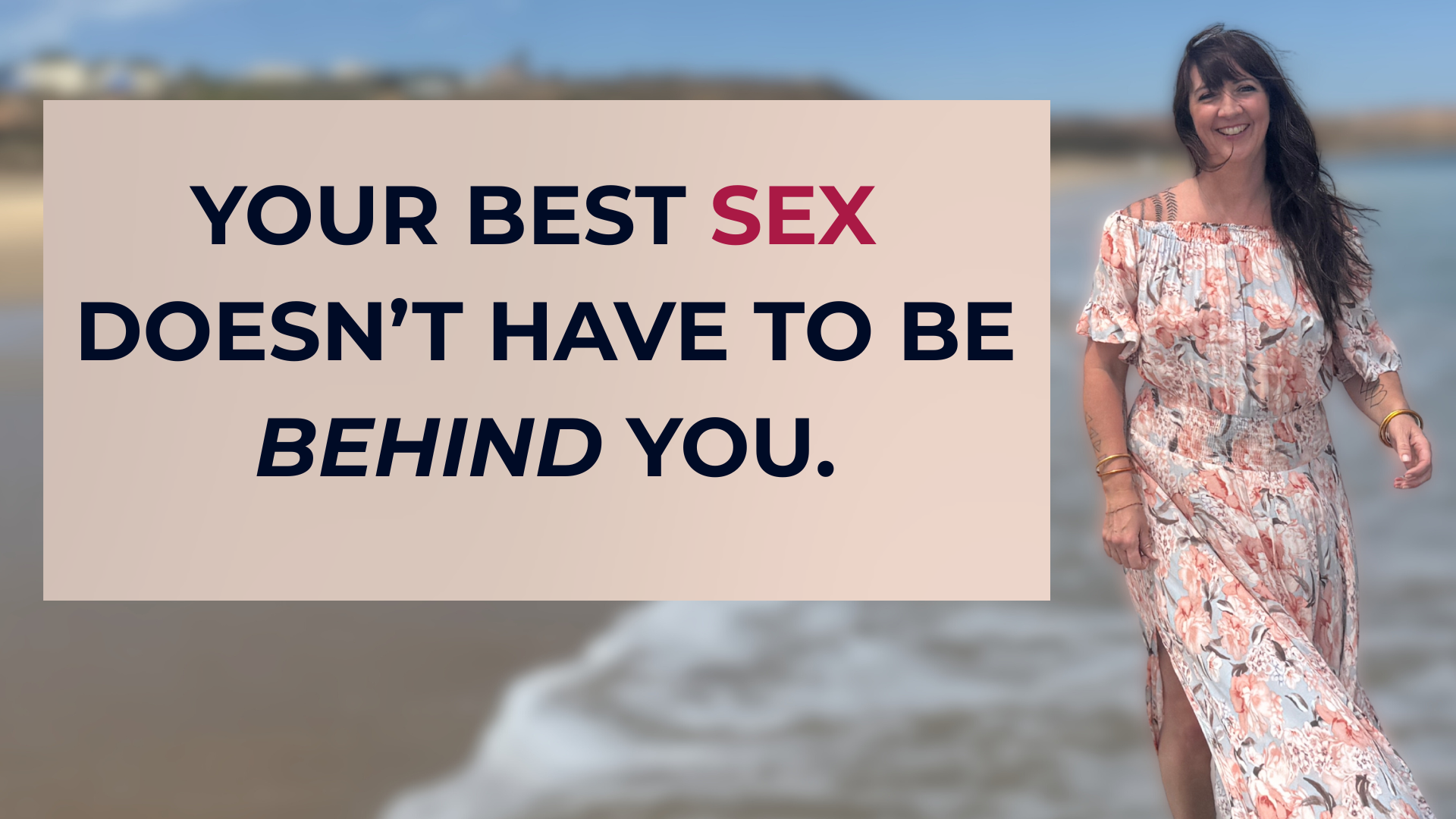
SOMEWHERE ALONG THE WAY...
SEX CHANGED.
You remember wanting it.
The chemistry. The anticipation.
The feeling of being turned on before anyone even touched you.
Then life happened.
Years together.
Work. Kids. Stress.
Familiarity.
Changing bodies.
Changing hormones.
The same person.
The same bedroom.
Sometimes the same sex.
And now maybe you don't want it
very often.
Maybe you don't know what turns you on anymore.
Maybe you're wondering whether you'd want it more with someone else.
Maybe you can orgasm, but only in one very specific way.
Maybe you're having sex, but you're not particularly excited by the sex you're having.
Or maybe you've started wondering...
Is this just what happens now?
~
Because nobody really taught us how desire works.
We were taught about periods, pregnancy and contraception.
Maybe STIs.
But who taught us about pleasure?
About our anatomy?
About orgasm?
About what happens to desire in a long-term relationship?
About figuring out what we actually like ... and having the confidence to ask for it?
About keeping sex interesting after 10, 20 or 30 years with the same person?
There is so much more to
learn about sex.
And about yourself.

This is for you if:
You don't want sex like you used to — and you're not really sure why
You don't know what turns you on anymore... or you're not sure you ever really did
Sex has become predictable, infrequent or something you could happily take or leave
You can orgasm, but you rely on the same thing every time — and you're curious whether there's more
You struggle to switch off, let go and actually enjoy what's happening in your body
You find it hard to tell your partner what you want — especially when you don't quite know yourself
You want to feel more confident in your body and less worried about how you look during sex
You want more fun, play and experimentation — but have no idea how to change the sex you've been having for years
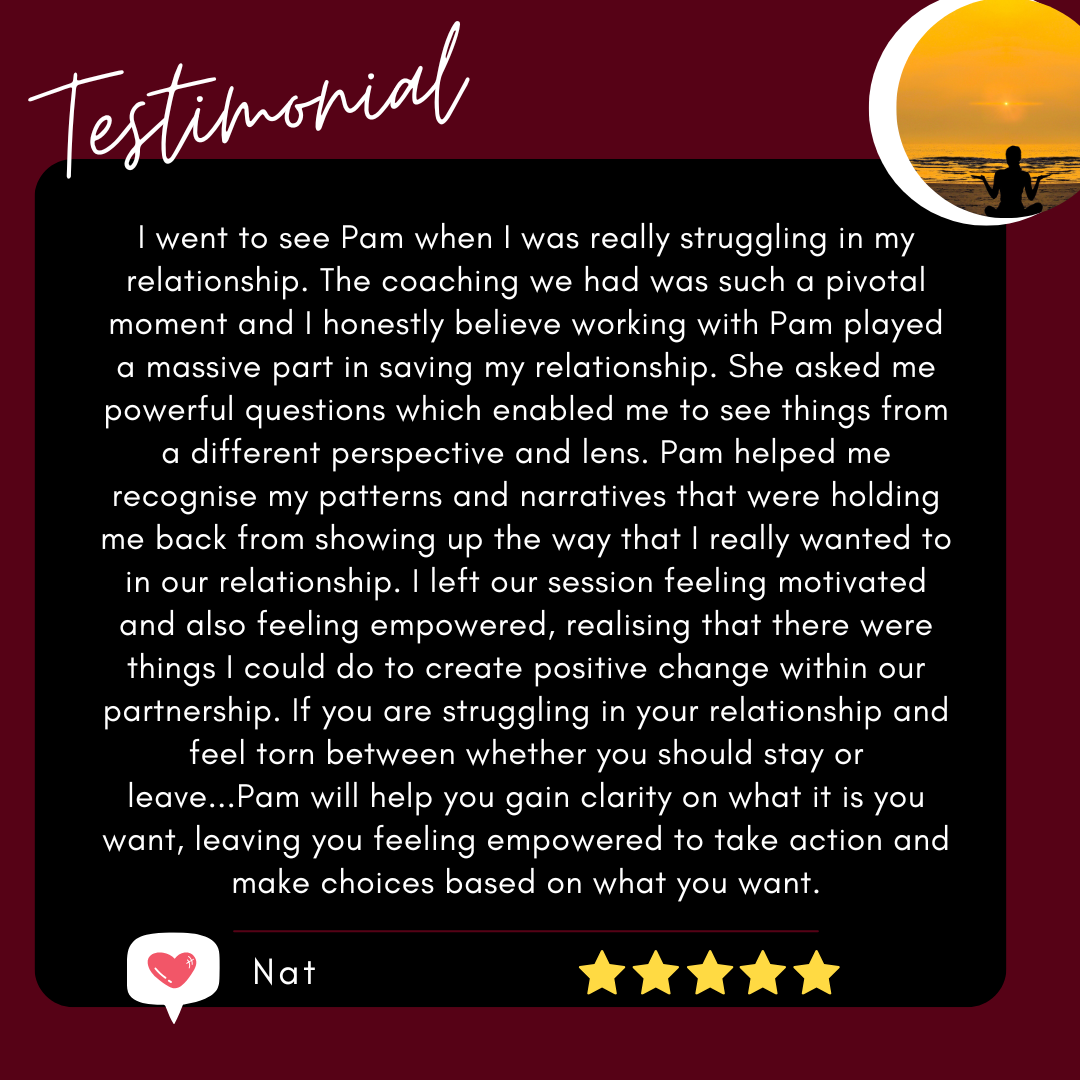
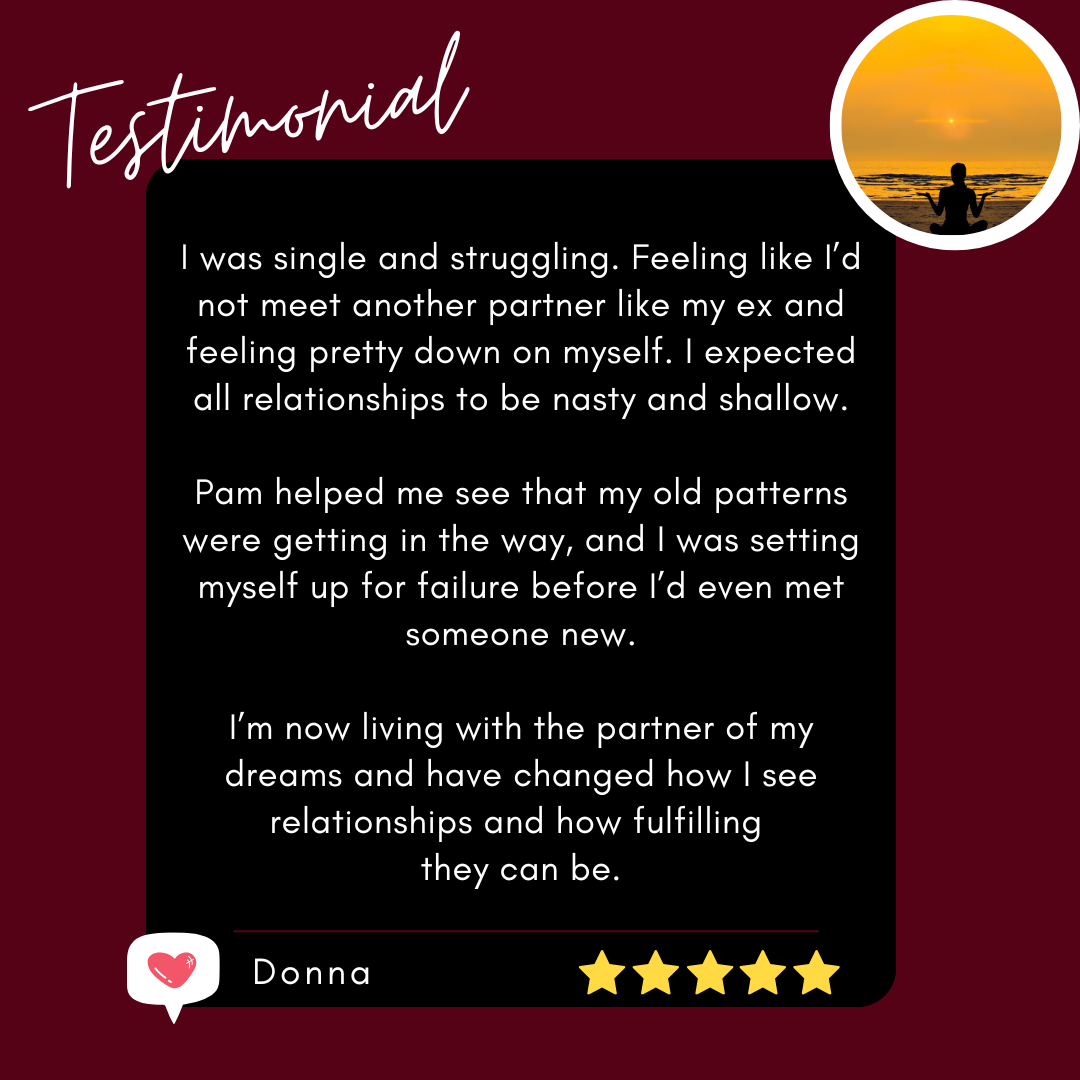
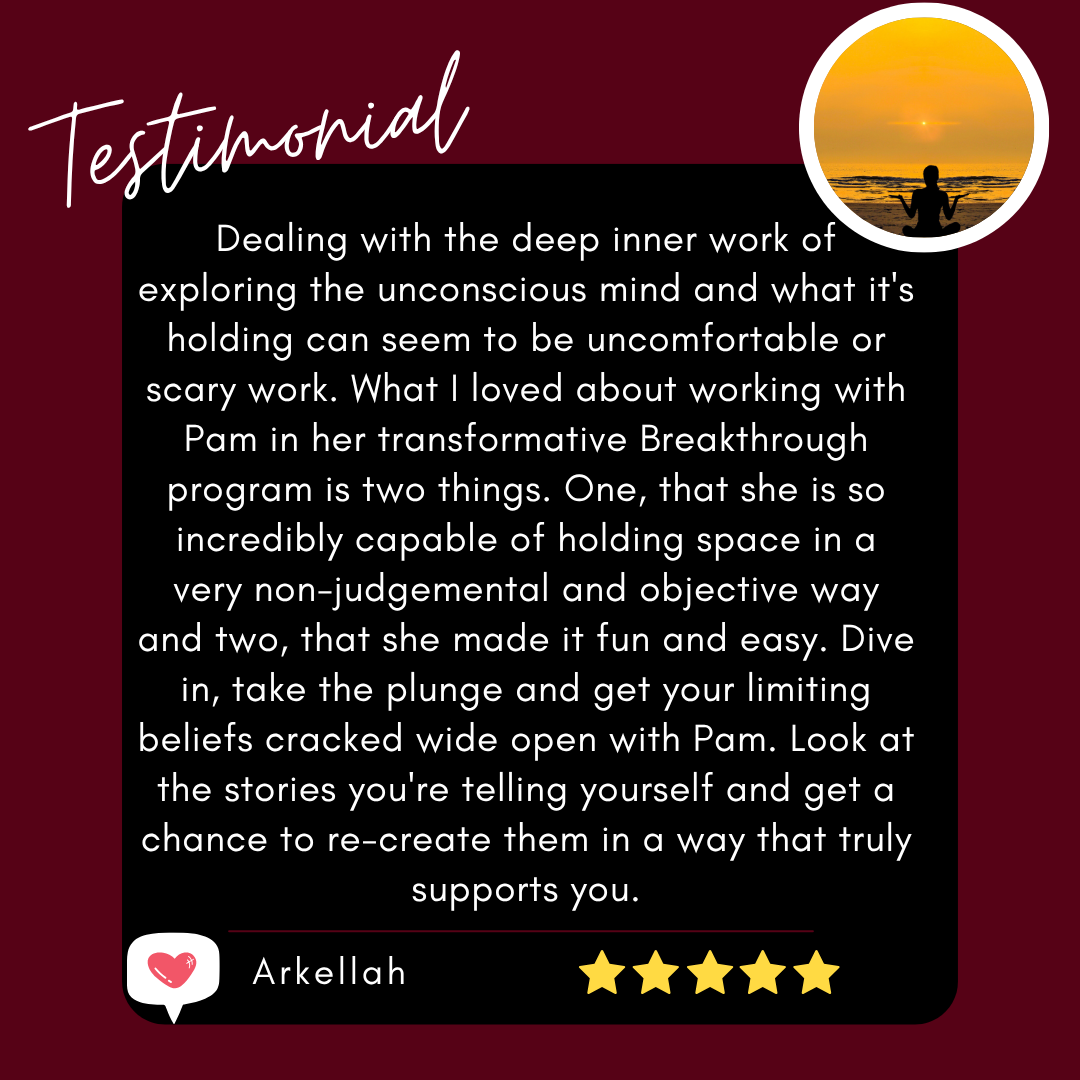
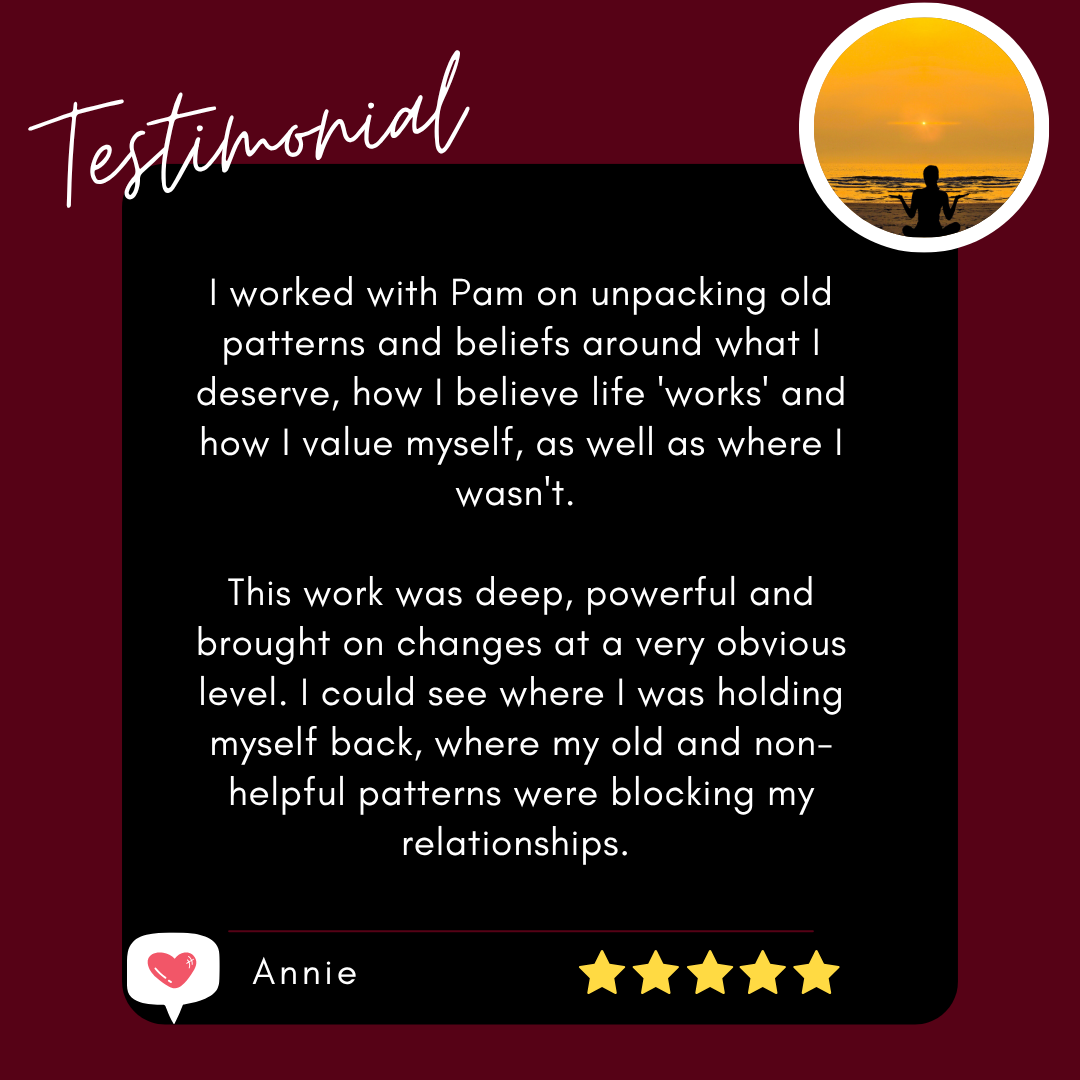
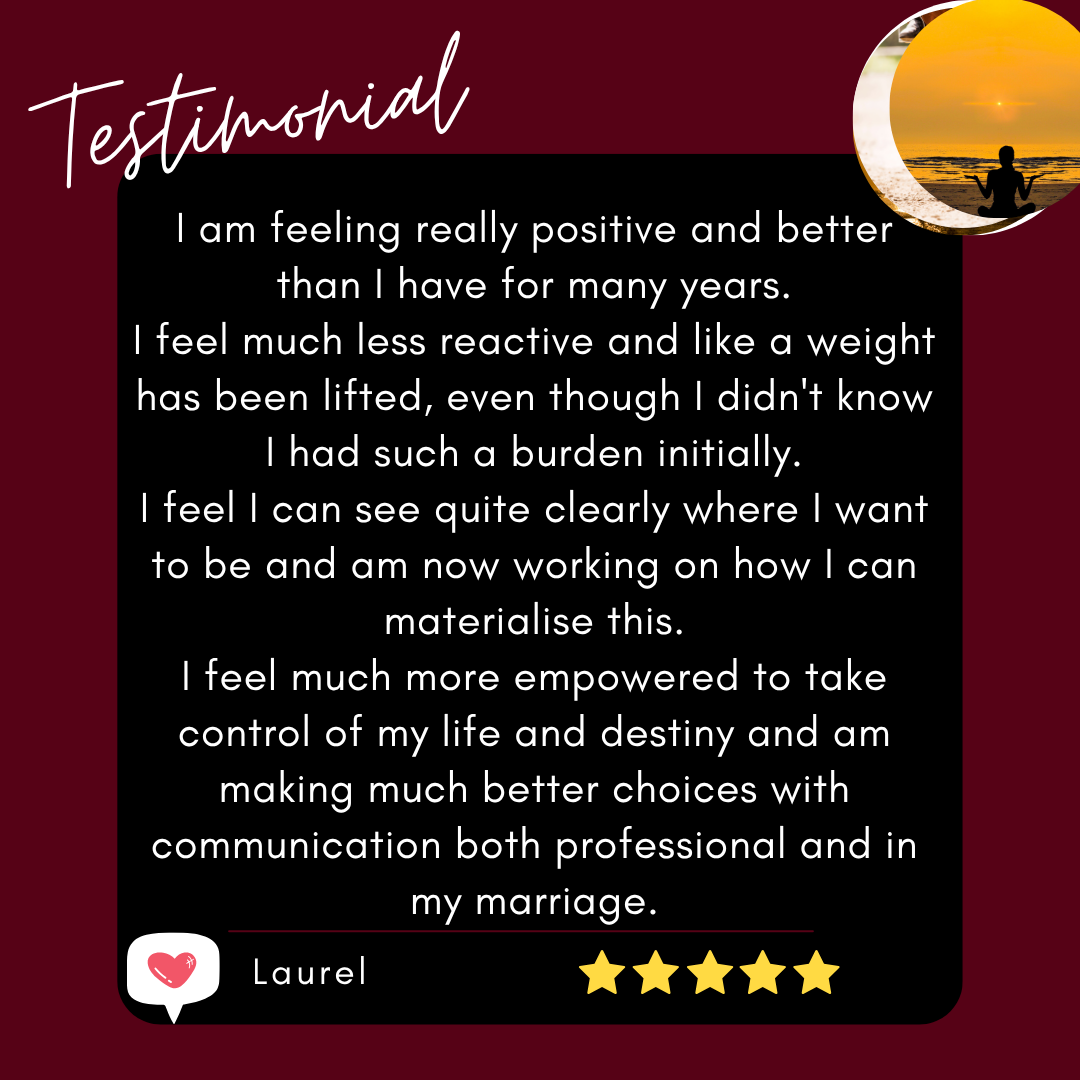
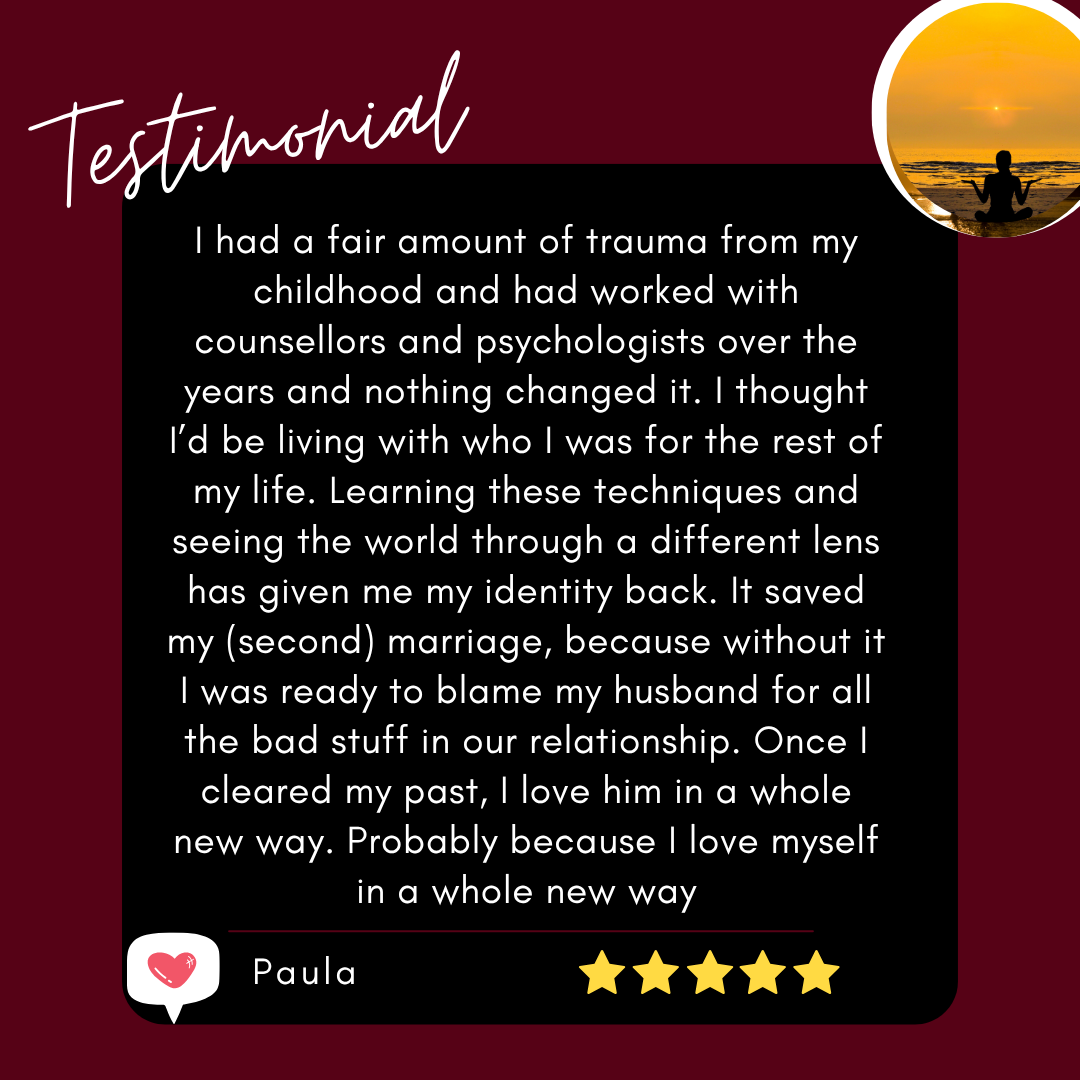
What Other's Say....
Read My Blog

Is It the End If My Partner Won’t Go to Couples Counselling?
When you suggest couple counselling and your partner refuses, it can feel like the end of the road. You might start questioning the future of your relationship, wondering if this refusal is a sign that your partner has already given up. But before you jump to conclusions, it’s important to understand that this isn’t necessarily the end. In fact, it could be the beginning of a different kind of healing for your relationship.
Understanding Your Partner’s Refusal
There are many reasons why someone might be hesitant to attend marriage counselling. For some, the idea of talking about relationship problems with a stranger can be intimidating. They might feel that airing private issues in front of a third party could make things worse rather than better.
Others may have had negative experiences with relationship therapy in the past. Perhaps they tried it before, and it didn’t work, leaving them with doubts about its effectiveness. They might also fear being blamed or judged, which can lead to defensiveness and a reluctance to participate.
It’s also possible that your partner doesn’t fully understand what relationship counselling is or how it can help. They may believe that therapy is only for relationships on the brink of divorce, not realizing that it can also be a tool for enhancing communication, resolving arguments, and reigniting the connection between partners.
Why It’s Not the End
Your partner’s refusal to attend couple counselling doesn’t mean that your relationship is doomed. It just means that traditional relationship therapy isn’t the right fit for them at this time. However, this doesn’t mean that all hope is lost.
One of the most powerful truths about relationships is that change can start with just one person. If you’re committed to improving your relationship, there are steps you can take on your own that can lead to profound shifts in your partnership. This is where Solo Couples Counselling comes in.
Solo Couples Counselling: Changing Yourself to Change Your Relationship
Solo Couples Counselling is designed for individuals who want to work on their relationship without needing their partner to participate in marriage counselling. By focusing on changing your own behaviors, thoughts, and emotional responses, you can create a ripple effect that transforms your relationship.
This approach acknowledges that while you can’t control your partner’s actions or choices, you can take charge of your own. By addressing your own patterns, you can shift the dynamics of your relationship, fostering more love, connection, and understanding—even if your partner isn’t actively involved in the counselling process.
Why Solo Couples Counselling Works
Self-Empowerment: When you work on yourself, you’re not waiting for your partner to change. You’re taking proactive steps to improve the relationship from your side, which can inspire change in your partner.
New Perspectives: Solo counselling allows you to gain insights into your relationship that you might not have seen before. You can learn new strategies for communication, conflict resolution, and emotional regulation that can enhance your relationship.
Less Pressure: Sometimes, the pressure of couple counselling can be overwhelming for one or both partners. Solo counselling removes that pressure, allowing you to work at your own pace.
Focus on What You Can Control: You can’t control your partner’s decision to attend therapy, but you can control your own growth and development. This focus on personal responsibility can be incredibly empowering and effective.
Addressing Specific Relationship Challenges
Empty Nesters: If you’re facing the challenges of being empty nesters, where the children have left home and you feel like you’re living with a roommate instead of a romantic partner, Solo Couples Counselling can help reignite the spark in your relationship.
No Love: If you feel like there’s no love left in your relationship, don’t despair. Solo counselling can help you rediscover the connection and passion you once had.
Roommates: If your relationship has devolved into feeling like you’re just roommates, working on yourself can shift the dynamic and bring back the closeness and intimacy you’ve been missing.
Arguments and Conflict: Constant arguments and ongoing conflict can be draining, but by focusing on your own growth, you can learn new ways to approach these issues, reducing tension and improving communication.
Take the First Step Today
If your partner isn’t ready or willing to go to couple counselling, don’t lose hope. Solo Couples Counselling can be the key to transforming your relationship from the inside out. By focusing on your own growth, you can create a healthier, more fulfilling relationship—even if you’re the only one doing the work.
Ready to take the first step? Explore my Solo Couples Counselling program, designed to help you change yourself so that your relationship can change too. It’s not the end; it’s just a new beginning.
Copyright © Pam Reid Coaching 2026 All rights reserved.